

Published on August 8, 2025
Protocol transfer: what’s important to consider
Driver, vehicle, and route — what distinguishes a regular trip from protocol-level accompaniment.
Logistics and transportation
Introduction
Official visits require careful planning, attention to detail, and adherence to established procedures. Regardless of the delegation’s level — regional, national, or international — every stage must be thoroughly worked out: from the airport welcome to the escort to accommodation and event venues.
1. Preliminary Preparation
• Clarify the composition of the delegation, protocol status, language, and cultural considerations.
• Appoint a coordinator responsible for the entire itinerary and communications.
• Agree in advance on arrival time, greeting procedure, routes, and visited sites.
2. Transport and Logistics
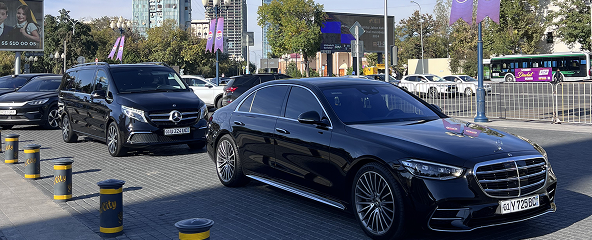
• Use executive-class vehicles with trained drivers.
• Develop a precise schedule taking into account traffic conditions, road closures, and accommodation locations.
• Prepare alternative plans in case of changes in route or schedule.
3. Protocol and Etiquette
• Follow diplomatic protocol rules and etiquette standards at all times.
• Ensure respectful behavior, appropriate greetings, and proper seating arrangements based on rank and hierarchy.
• Adapt to cultural norms and the specific expectations of the visiting delegation.
4. Visual Control and Accompaniment
• Drivers should wear business attire; vehicles must be clean and in proper technical condition.
• If necessary, provide interpreters, security, and official escorts.
• Mandatory items: name signs for guests, pre-approved routes, and contingency plans.
Conclusion
Organizing an official delegation visit is more than just logistics. It is a demonstration of respect, status, and trust. A well-organized visit strengthens the host country’s image and lays the foundation for long-term cooperation.


